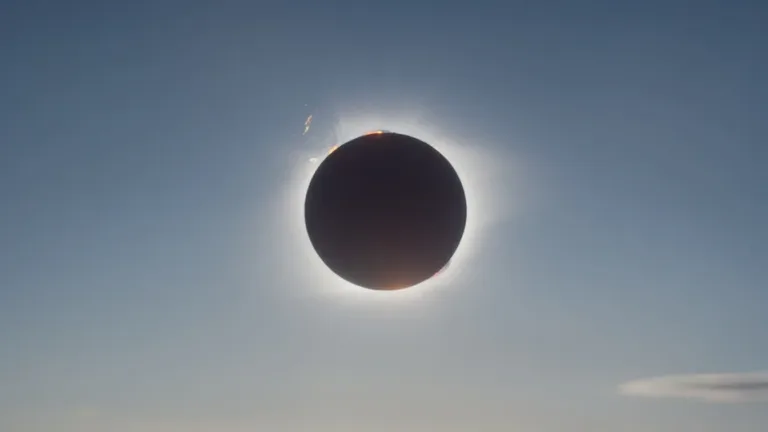
The Longest Solar Eclipse of the 21st century is officially on the horizon, and it is shaping up to be one of the most spectacular sky events of our lifetime. On August 2, 2027, the Moon will completely block the Sun for over six minutes in some regions, giving people across parts of North Africa and the Middle East a rare and unforgettable experience. If you have ever seen a solar eclipse, you know it is a surreal moment. Now imagine the same phenomenon, but longer, deeper, and more dramatic.
This article is your complete guide to the Longest Solar Eclipse and what makes it so rare. We will cover where and when it will be visible, how to prepare, what to expect during the event, and why this particular eclipse is unlike any other. Whether you are an astronomy enthusiast or just someone who enjoys once-in-a-lifetime events, this is something you will want to plan ahead for.
Why the Longest Solar Eclipse Will Be an Unmissable Event
This is not just another eclipse. The Longest Solar Eclipse of the 21st century is generating excitement among scientists, skywatchers, and travelers alike, and for good reason. The eclipse will last up to six minutes and 23 seconds in some places, which is more than double the duration of most total eclipses. That means more time to experience total darkness in broad daylight, more time to observe the Sun’s glowing corona, and more time to just take it all in.
What makes it even more special is its wide visibility. You will not need to be in some obscure, remote location to witness the event. Countries like Egypt, Saudi Arabia, and Yemen are directly in the path of totality. Cities such as Luxor will offer some of the best views. Add in the fact that this will be the longest total solar eclipse for more than a century, and you have the perfect reason to start planning now.
Overview of the 2027 Eclipse
| Key Detail | Information |
| Event Type | Total Solar Eclipse |
| Confirmed Date | August 2, 2027 |
| Focus Keyword | Longest Solar Eclipse |
| Peak Totality Duration | Over 6 minutes and 23 seconds |
| Maximum Visibility Regions | North Africa, Middle East (Luxor, Egypt) |
| Unique Factors | Moon closer to Earth, Earth farther from Sun |
| Shadow Path | Crosses near Earth’s equator |
| Estimated Sea Duration | Up to 7 minutes in ocean regions |
| Required Viewing Equipment | ISO-certified eclipse glasses or solar filters |
| Best Planning Tip | Book travel early and scout viewing spots in advance |
Longest Solar Eclipse Confirmed for August 2027
Astronomers around the world have carefully mapped the shadow path of this total eclipse, and all data confirms that August 2, 2027, will bring the Longest Solar Eclipse of our time. What makes this event stand out is not only its rare duration, but also its accessibility. With the shadow path passing through densely populated regions, millions of people will get to see it without needing to travel across the globe.
For many cities in Egypt and the Middle East, totality will last well over six minutes. That gives viewers an extended window to observe the strange twilight, the sudden silence, and the dazzling corona that appears when the Sun is completely blocked. Most eclipses last just two or three minutes. This one is more than double that.
When the Day Turns to Night
Picture standing outside on a warm afternoon, and then suddenly, the light begins to fade. It gets cooler, quieter, and the sky changes into something you would expect only at sunset. That is the feeling you get during a total solar eclipse. But the Longest Solar Eclipse of 2027 will give you much more time to absorb that feeling.
In cities like Luxor, it will seem like time has paused. For over six minutes, the Sun will vanish, and the corona will shine like a ring of light in the sky. It is more than a science event. It is a moment that stays with people for the rest of their lives. People who have seen a total eclipse often describe it as emotional, even spiritual.
The Science Behind the Extended Eclipse
So why is this eclipse so long compared to others? It all comes down to how the Moon and Earth are aligned. On August 2, 2027, the Moon will be closer to Earth than usual, making it appear larger in the sky. At the same time, Earth will be farther from the Sun, making the Sun look slightly smaller. This perfect alignment gives the Moon more time to fully cover the Sun.
In addition, the eclipse will move across the equator, where Earth rotates faster. That combination of speed and distance creates a rare situation where the totality phase is stretched to its longest possible duration.
How to Plan Your Viewing Experience
If you want to witness the Longest Solar Eclipse, you need to be inside the path of totality. That means picking a location where the Moon’s shadow will fully block the Sun. Outside of that path, you will only see a partial eclipse, which is interesting, but not nearly as dramatic.
Planning early is essential. As the date approaches, hotels and flights in the best viewing cities will sell out fast. Choose your destination carefully, ideally somewhere with good weather and clear skies. Luxor, Egypt is one of the top choices, both for its location and its historical charm.
Do not forget to bring proper eclipse glasses. Regular sunglasses will not protect your eyes. If you plan to take photos or videos, practice using your gear in advance so you do not miss the moment.
Safety Tips for a Perfect Eclipse
Watching the Longest Solar Eclipse is thrilling, but it also requires caution. Looking directly at the Sun, even for a second, can cause permanent eye damage unless it is during the brief phase of totality.
Here is how to stay safe:
- Only use ISO-certified eclipse glasses or solar filters
- Do not use homemade solutions or regular sunglasses
- Test your viewing equipment before eclipse day
- Remove your glasses only during full totality
- Teach children and others around you how to watch safely
What to Expect During the Eclipse
As the Moon starts to cover the Sun, the light will dim slowly. Shadows may appear sharper. The air may feel cooler. Birds might go silent, and people will look up in silence. Then, suddenly, everything will go dark, and the corona will appear in the sky. It will look like a glowing ring of fire.
This is the most beautiful part of a total solar eclipse, and during the Longest Solar Eclipse, that view will last much longer than normal. Stars may appear in the sky, and for several minutes, the world around you will feel completely transformed.
Two Key Planning Tips
Choose the Right Location:
- Look at maps that show the eclipse path and select a spot within totality
- Book accommodations and travel well in advance to avoid last-minute issues
Get the Right Gear:
- Use ISO-certified eclipse glasses or solar viewers
- Practice using any cameras or equipment days before the eclipse
Frequently Asked Questions
Where is the best place to see the eclipse?
The best locations include parts of Egypt, especially Luxor, and areas in the Middle East directly under the path of totality.
How long will the eclipse last?
In some locations, the total eclipse will last more than 6 minutes and 23 seconds. Over the ocean, it could reach nearly 7 minutes.
Is it safe to look at the eclipse?
Yes, but only during totality. Before and after, you must use eclipse glasses to protect your eyes.
Do I need to travel to see the full eclipse?
Yes. To see the total eclipse, you need to be within the path of totality. Outside of it, you will only see a partial eclipse.
Can I take photos of the eclipse?
Absolutely. Just be sure to use proper filters and practice beforehand so you are ready when totality begins.