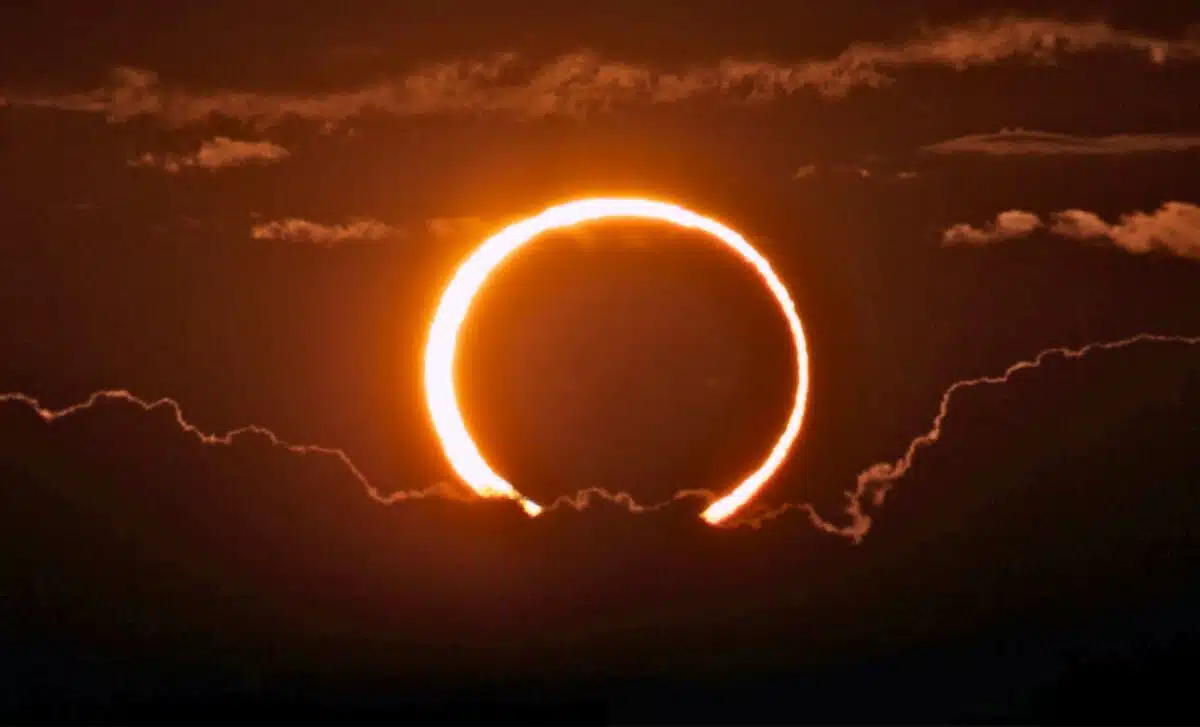
The Eclipse of the Century is shaping up to be one of the most exciting celestial events of our lifetime. On August 2, 2027, millions will pause to witness something truly unforgettable: the Sun completely disappearing behind the Moon for over six minutes. That kind of extended totality does not happen often, and it is already capturing global attention.
This event is more than a solar eclipse. It is an experience that stirs emotions, shifts perspectives, and brings people together. Whether you are a long-time skywatcher or someone just beginning to explore astronomy, the Eclipse of the Century is your chance to be part of something rare and extraordinary. In this guide, we will break down everything you need to know—from the timing and path of totality to the best viewing spots and how to prepare for the big day.
Eclipse of the Century: Six Minutes That Will Change How You See the Sky
The Eclipse of the Century is not just a rare solar event—it is an emotional, almost spiritual moment that lasts just long enough to leave a permanent mark. What makes this eclipse so unique is not just its path but its length. Over six minutes of total darkness will unfold in some locations, giving skywatchers the rare opportunity to truly soak in the cosmic show. That is a big deal when most eclipses last less than half that time.
If you are planning to travel for this event, timing and location are everything. Luxor, Egypt will be the top destination, offering the longest duration of totality. But even if you are not right on the centerline, you will still see something amazing. From the cooling temperature to the sudden quiet as animals react, everything changes during a total eclipse. This is not just science—it is one of the few moments that reminds us just how incredible our universe really is.
Quick Overview of the Eclipse of the Century
| Key Detail | Information |
| Event Name | Eclipse of the Century |
| Date | August 2, 2027 |
| Maximum Duration | 6 minutes 20 seconds (in Luxor, Egypt) |
| Path of Totality | Atlantic Ocean, North Africa, Middle East, Arabian Peninsula |
| Best Locations to Watch | Luxor, Aswan, Mecca, Marrakech, Jeddah, Hurghada, Marsa Alam |
| Visibility in Europe | Partial eclipse visible in Spain and Italy |
| Weather Expectations | Clear skies expected in Egypt and Saudi Arabia during August |
| Top Viewing Methods | Rooftops, desert viewing points, cruises, historic landmarks |
| Ideal Planning Timeline | 12 to 18 months in advance |
| Key Experience Tips | Use certified glasses, arrive early, enjoy the moment, take fewer photos |
Eclipse timing: when the sky will go dark
The Eclipse of the Century will occur on the afternoon of August 2, 2027. While many eclipses come and go in just a couple of minutes, this one will linger. In places like Luxor, the total phase will last over six minutes. That may not sound like a long time on paper, but when the sky turns black in the middle of the day and stars appear above you, it feels much longer. You get the chance to really breathe it in.
Being within the path of totality is crucial. If you are even a few kilometers outside the central path, you might see a partial eclipse or just a short total phase. For the full six minutes of darkness, you will need to be exactly in the right place at the right time. That is why planning matters so much for this particular eclipse.
Where to stand in the shadow: the best viewing spots
Location makes all the difference when it comes to total eclipses. For the Eclipse of the Century, cities in Egypt such as Luxor and Aswan are considered the best viewing spots. These cities fall directly along the centerline, meaning they will experience the full 6 minutes and 20 seconds of darkness. Plus, Egypt in August typically has clear skies, making it an ideal destination for eclipse chasers.
Marrakech in Morocco will see the eclipse earlier in the day, although it will not last quite as long there. In Saudi Arabia, cities like Mecca and Jeddah will witness the event in the late afternoon, creating dramatic colors across the horizon. Coastal areas like Marsa Alam and Hurghada offer not only clear views of the sky but also the chance to enjoy beachside relaxation before and after the event.
How to actually experience those six minutes of darkness
There is a big difference between seeing an eclipse and truly experiencing it. Many people make the mistake of spending those six minutes fumbling with cameras or trying to capture the perfect shot. Instead, it is better to plan ahead so you can make the most of every second of totality.
Break the six minutes into small phases. Use the first minute to just look up and take in the moment. The second minute, look around at the 360-degree sunset on the horizon. By the third minute, you might notice stars and planets becoming visible. If you want a photo, snap one quickly around the fourth minute. Then, for the last two minutes, simply be present. The Eclipse of the Century is not about the best picture—it is about a moment you feel in your bones.
What this eclipse might change in the way we see our world
Eclipses have a way of shifting something deep inside us. People still talk about past eclipses decades after they happen, and the Eclipse of the Century will be no different. With the power of the internet and global travel, more people than ever will be able to share this experience in real-time. That alone will make it a historic moment.
What makes this eclipse extra special is the way it brings people together. No matter your background, language, or beliefs, everyone looks at the same sky. For six minutes, the world pauses. It becomes less about science and more about shared wonder. These rare moments remind us that we are all part of something much bigger than ourselves.
Planning your eclipse trip: what to know now
If you want to see the Eclipse of the Century in the best possible way, now is the time to act. Hotels in Luxor and nearby cities are already seeing increased interest. Booking flights and accommodations at least a year in advance will give you the best chance to secure a good spot.
Look into guided eclipse tours. These are led by experts who know the ideal places to view the eclipse and can offer deeper insights into what you are seeing. Also, pay attention to weather patterns. Egypt and Saudi Arabia are popular choices not only because of their location but also because of their typically clear skies in early August. Being in the right place with clear skies can make all the difference.
Two Key Points at a Glance
- Best Cities to Experience the Eclipse of the Century:
- Luxor, Aswan, Mecca, Marrakech, Jeddah, Hurghada, Marsa Alam
- Essential Eclipse Viewing Tips:
- Use certified solar glasses
- Arrive early to avoid crowds
- Limit phone use during totality
- Be present and soak in the moment
Frequently Asked Questions
What time will the Eclipse of the Century happen?
The eclipse will take place in the afternoon of August 2, 2027, with exact timing depending on your location. Totality in Luxor will occur around midday.
Is it safe to look at the eclipse without glasses?
Only during the full total phase is it safe to look without protection. During all other times, use ISO-certified eclipse glasses.
Where will the eclipse be visible?
The total eclipse will be visible along a narrow path through North Africa and the Middle East. Partial views can be seen in Southern Europe.
When should I book my trip to see the eclipse?
Plan 12 to 18 months in advance. Popular viewing locations like Luxor will likely sell out quickly.
Can I take photos of the eclipse with my smartphone?
Yes, but use a solar filter during the partial phases. Keep in mind that the best memories come from watching with your eyes, not your lens.