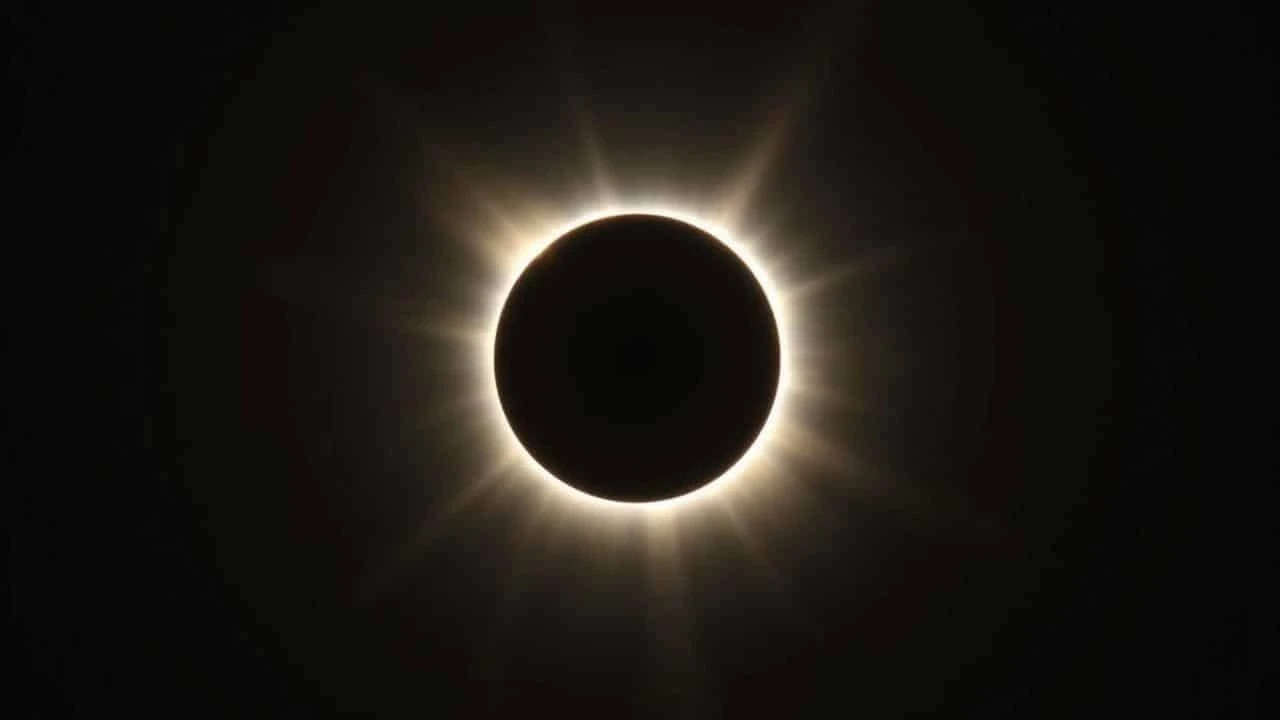
The longest solar eclipse of the century is officially on the calendar, and skywatchers across the globe are counting down the days. This is not just another eclipse that comes and goes in the blink of an eye. This time, we are in for a truly extraordinary show in the sky that will turn daylight into darkness for a remarkable stretch of time. If you have ever wanted to see the Sun completely disappear in the middle of the day, this is your moment.
What makes the longest solar eclipse even more exciting is how rare and widely visible it will be. It is already being called a once-in-a-lifetime event by astronomers and enthusiasts alike. In this article, we will break down everything you need to know, from what makes this eclipse so unique to how you can prepare, where to go, and how to truly experience it. Whether you are a casual observer or a seasoned eclipse chaser, this is something you will not want to miss.
Why This Is the Longest Solar Eclipse of the Century
There is a reason this eclipse is being called the longest solar eclipse of the century. For starters, totality in some locations will last more than six full minutes, which is more than double the average eclipse. This extra-long duration is due to a perfect combination of celestial factors. The Moon will be at a closer point in its orbit to Earth, appearing larger in the sky. At the same time, Earth will be at a distance from the Sun that makes the alignment stretch the shadow’s path wider and longer.
That perfect alignment is what makes this event so special. Not only will it be longer, but it will also be visible from more places around the world than most eclipses. This means more people will get the rare chance to stand under a darkened midday sky, feel the temperature drop, and watch a complete transformation of the environment. It is not just a science event; it is a deeply personal and emotional experience for many who get to see it.
Quick Overview of the Longest Solar Eclipse
| Key Detail | Description |
| Official Eclipse Date | Confirmed by astronomical institutions |
| Totality Duration | Over six minutes in specific areas |
| Path of Totality | Crosses multiple continents and major regions |
| Visibility Regions | Urban and rural zones along the eclipse centerline |
| Travel Trends | Booking rates increased by over 300 percent in key viewing locations |
| Recommended Gear | Solar eclipse glasses, tripod, camera filters |
| Best Viewing Conditions | Locations with clear skies and low historical cloud cover |
| Scientific Significance | Extended time for solar corona research and atmospheric studies |
| Local Preparations | Traffic plans, community events, and safety measures in place |
| Emotional Impact | Often described as powerful, reflective, and life-changing |
The day the Sun will vanish — and why this one is different
This solar eclipse is not just another date on the calendar. What makes it truly different is the atmosphere it creates. With a longer duration of totality, the surroundings go through a slow and surreal transformation. The sky gradually darkens, shadows become sharper, and animals fall silent. The temperature drops, and everything starts to feel still. You are not just watching a sky event. You are experiencing it with every sense.
Thanks to the ideal alignment of the Moon and the Earth, the Moon’s shadow will pass more slowly across the surface, allowing many locations to enjoy the eclipse for several minutes. That kind of timing is very rare. Most eclipses give just two to three minutes of darkness. This one gives you time to take it all in, look around, and actually feel what is happening. It is a powerful reminder of how small we are under the vastness of space.
Massive travel spike ahead of the eclipse
People are already on the move to find the perfect spot for viewing the eclipse. Travel demand in areas under the path of totality is exploding. Hotels in small towns and remote areas are booking up fast, and prices are going up quickly. Campgrounds, rental homes, and even RV parks are seeing huge spikes in reservations. Everyone wants to be in the right place at the right time.
Tour operators are offering special eclipse experiences that include expert guides, safe viewing gear, and even airplane flights above the clouds for a perfect view. Some of these packages have sold out months ahead of the event. It is clear that this eclipse is not just a moment for scientists and space fans. It is turning into a global travel event, attracting people from every background who just want to witness something unforgettable.
How to actually experience this eclipse — not just scroll past it
To fully experience the longest solar eclipse, you will need to plan ahead. First, find a spot that lies directly along the eclipse’s centerline path. This is where totality will last the longest. Use interactive maps and weather history to pick a place with good chances of clear skies. Rural areas and open fields often offer the best views without city lights or tall buildings.
Make sure you pack everything you need. Solar viewing glasses are a must. Without them, you risk serious eye damage. If you want to take photos, bring a camera with a solar filter and a tripod for steady shots. Also bring food, water, warm clothes, and printed maps in case phone signals are overloaded on the day. But more than anything, decide how you want to experience it. Some people like to take pictures. Others want to simply stand still and take it all in. Whatever you choose, be fully present for the moment.
What this eclipse might change — and what you will remember years later
There is something deeply personal about watching the Sun vanish in broad daylight. For many people, it is a moment that sticks with them forever. The longest solar eclipse gives you time to reflect, to feel a sense of wonder, and maybe even gain a new perspective on life. It is more than just a dark sky. It is an emotional reset.
Beyond the personal impact, this eclipse also opens the door for major scientific research. With more time under totality, scientists can study the Sun’s corona in greater detail. Meteorologists will watch how the sudden temperature shift affects weather patterns. Some cities may even adjust power usage based on solar energy changes. But for those standing in the shadow, it is not the science they will remember. It is the feeling of being part of something bigger than themselves.
Two Key Things to Know Before the Eclipse
- You must wear certified eclipse glasses: Do not ever look directly at the Sun without proper eyewear, except during the brief period of totality. It can cause permanent damage to your eyes.
Plan your location in advance: Choose a spot with a good track record for clear skies and arrive early. Be ready for crowds, traffic, and limited access to services.
Frequently Asked Questions
How long will totality last during the eclipse?
In certain regions, totality will last over six minutes, which is more than double the usual length of most solar eclipses.
Can I watch the eclipse without special glasses?
Only during the full totality phase is it safe to view the eclipse with the naked eye. At all other times, you must wear solar viewing glasses.
Where can I get the best view of the eclipse?
The best views are along the centerline of the eclipse path in areas with historically clear skies and minimal cloud cover.
What if the weather is bad on eclipse day?
Cloudy skies might block your view, but you will still notice a change in light and temperature. Consider having a backup location in case of poor weather.
Is this the rarest eclipse I will see in my lifetime?
Most likely, yes. The combination of length and wide visibility makes this eclipse exceptionally rare. A similar event may not happen again for many decades.