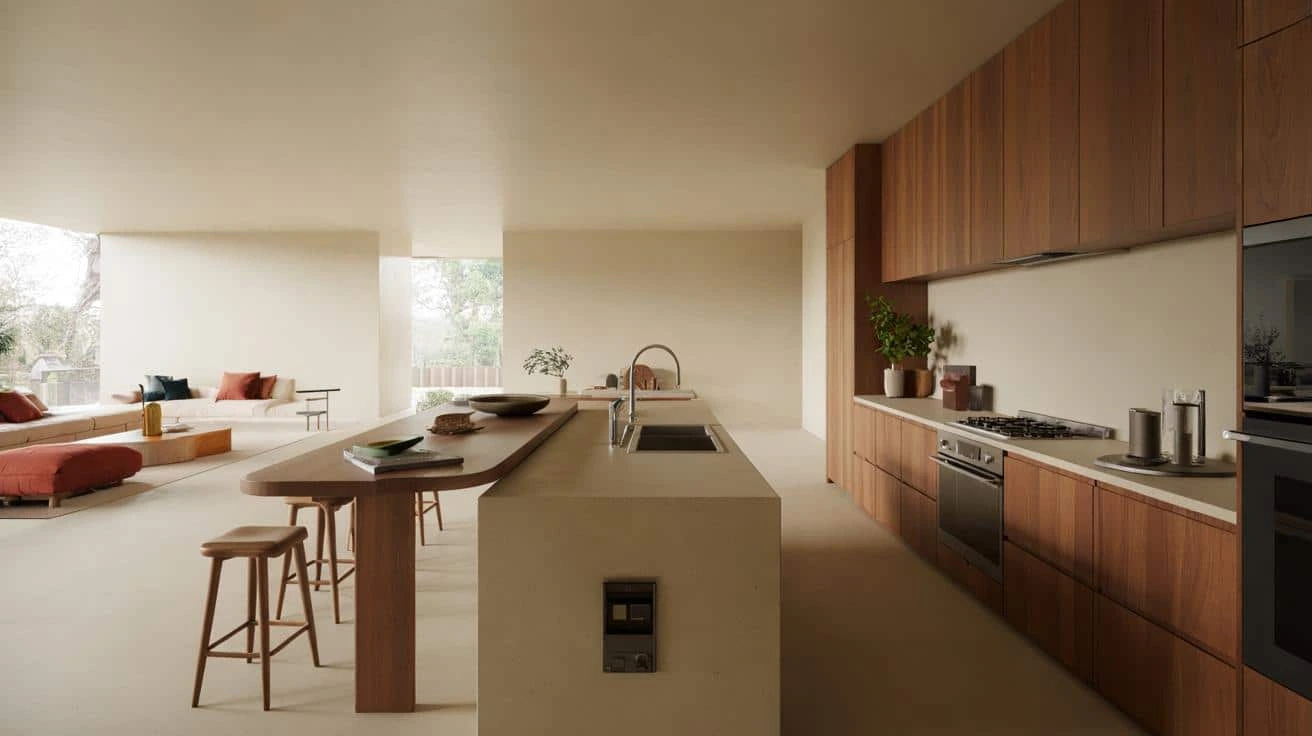
The 2026 kitchen trend is turning heads for all the right reasons. If you have ever felt like your kitchen island takes up too much space or gets in the way more than it helps, you are not alone. This year, homeowners, designers, and renovators are all leaning into something new. The bold shift is real: the oversized kitchen island is quietly exiting the spotlight. Instead, a fresh design solution is stepping in—lighter, more functional, and absolutely more stylish.
This article will walk you through why the 2026 kitchen trend is gaining popularity so fast. It is not just about a design upgrade. It is about creating kitchens that match how people actually live today. From smart layouts to space-saving ideas, we will cover what this new trend offers, how it works in everyday homes, and why people are already loving it. If you are planning a remodel or simply exploring new kitchen ideas, you will want to know about this game-changing shift.
The 2026 kitchen trend: flexibility, style, and smarter design
At the heart of the 2026 kitchen trend is a growing desire for practicality and flow. People are no longer interested in bulky islands that cut off movement or turn the kitchen into a tight workspace. Instead, flexible solutions like a kitchen stage—a slim, central table or movable peninsula—are taking over. These new centerpieces are functional, airy, and feel more like real furniture than a fixed installation.
This trend focuses on how the kitchen fits into daily life. Whether you are prepping meals, chatting with guests, or setting up your laptop for work, the kitchen should adapt to you—not the other way around. Raised on legs or even mobile, these pieces make cleaning easier and improve light flow. You get a space that looks great, works better, and makes everyday routines feel smoother. That is why the 2026 kitchen trend is already transforming homes in a big way.
Overview Table
| Key Feature | Description |
| Traditional Island | Fixed, bulky, often blocks flow and light |
| Kitchen Stage | Slim, mobile, or semi-fixed centerpiece with a furniture-like feel |
| Space-Saving Design | Ideal for small or narrow kitchens |
| Better Flow | Encourages easier movement throughout the kitchen |
| Natural Light Enhancement | Raised or open styles allow light to pass through more freely |
| Social Interaction | Promotes face-to-face connection rather than side-by-side separation |
| Multi-Functional Use | Great for prep, working, eating, or casual gatherings |
| Easier Maintenance | Open base means faster cleaning and fewer hidden messes |
| Modern Visual Appeal | Minimalist, elegant design that fits contemporary homes |
| Sustainability | Fewer materials used, lighter environmental impact |
From fixed island to “kitchen stage”: the quiet revolution
The shift away from kitchen islands is not just about looks—it is about how people live. Kitchen islands used to be seen as a luxury must-have. They were large, impressive, and offered storage, seating, and counter space all in one. But over time, many realized they were too big, too heavy, and not as functional as expected. The new 2026 kitchen trend focuses on a “kitchen stage” instead. It is subtle, stylish, and suits a variety of layouts.
Some people are choosing a sleek table that attaches to a cabinet. Others go for a freestanding prep station on wheels that can move when needed. The design is flexible and fits into both small apartments and large family homes. It is not one-size-fits-all—it is about creating a space that works for your lifestyle. That is a big part of why the kitchen stage is catching on so quickly.
Real-life transformations: kitchens that flow better
Homeowners who have replaced their kitchen island with a kitchen stage often say the change feels like gaining extra square footage. One London couple swapped their bulky island for a walnut table with black legs. Suddenly, their kitchen became open, social, and more enjoyable to cook in. They stopped bumping into corners and started enjoying the space again.
In the United States, a 2025 kitchen trend report revealed a 31 percent decline in traditional islands, with a noticeable rise in open workstations and peninsulas. That shows people are craving flexibility. The 2026 kitchen trend meets that need by supporting everything from quick breakfasts to weekend dinner parties without turning the kitchen into a traffic jam.
Why this trend feels more human
There is something personal and warm about the kitchen stage. It invites conversation, encourages gathering, and feels less formal than an island. Instead of standing behind a solid block of quartz while talking to guests, you can sit face-to-face or move freely around the space. That human connection is part of what makes this trend so appealing.
Functionally, it just makes sense. Kitchen islands often became clutter zones—collecting mail, keys, bags, and more. The lighter, furniture-style design of the kitchen stage discourages that behavior. Only the essentials stay out, which helps the kitchen feel more open and clean. It is a simple shift, but one that makes a big difference in daily life.
Key benefits of the 2026 kitchen trend
- Improved movement and flow throughout the kitchen
- Increased natural light thanks to raised or open-base designs
- Multi-use surfaces that adapt to work, cooking, or entertaining
- Less clutter since there is less space to pile things on
- Easy to clean with open areas under and around the structure
- Better for small spaces, especially apartments or townhomes
- Flexible for future changes like growing families or new uses
- Encourages social interaction, not physical separation
- Visually modern and minimal, fitting current design preferences
- Eco-friendly due to reduced materials and simpler builds
Flexibility is the future
Designers and homeowners are asking a different question now: how do you move in your kitchen? That one question changes everything. Instead of designing around a fixed centerpiece, the space is now built for flexibility. The 2026 kitchen trend is not about following a design fad. It is about solving a real problem with a simple, smart answer.
If you already have a kitchen island, that does not mean you need a full remodel. Many are adjusting their current layout—by trimming the island, opening up one side, or replacing it entirely with a lighter solution. The idea is to make your kitchen fit your life, not force your routine around a design feature. That is the heart of the new kitchen mindset.
FAQs
Is the 2026 kitchen trend only for modern homes?
No, the kitchen stage works well in both modern and traditional homes. It is about functionality, not just style.
Can I still have storage without a kitchen island?
Yes. Wall-mounted cabinets, tall pantry units, and smart drawers provide excellent storage without adding bulk.
Is this trend expensive to implement?
Not necessarily. Many kitchen stages are simple in design and cost less than installing a large, fixed island.
Will this work in a small kitchen?
Absolutely. The 2026 kitchen trend is especially helpful in small kitchens where space and flow matter most.
How do I start updating my kitchen to match this trend?
Begin by evaluating how you use your kitchen daily. Then consider removing or modifying your island for a more open, flexible centerpiece.