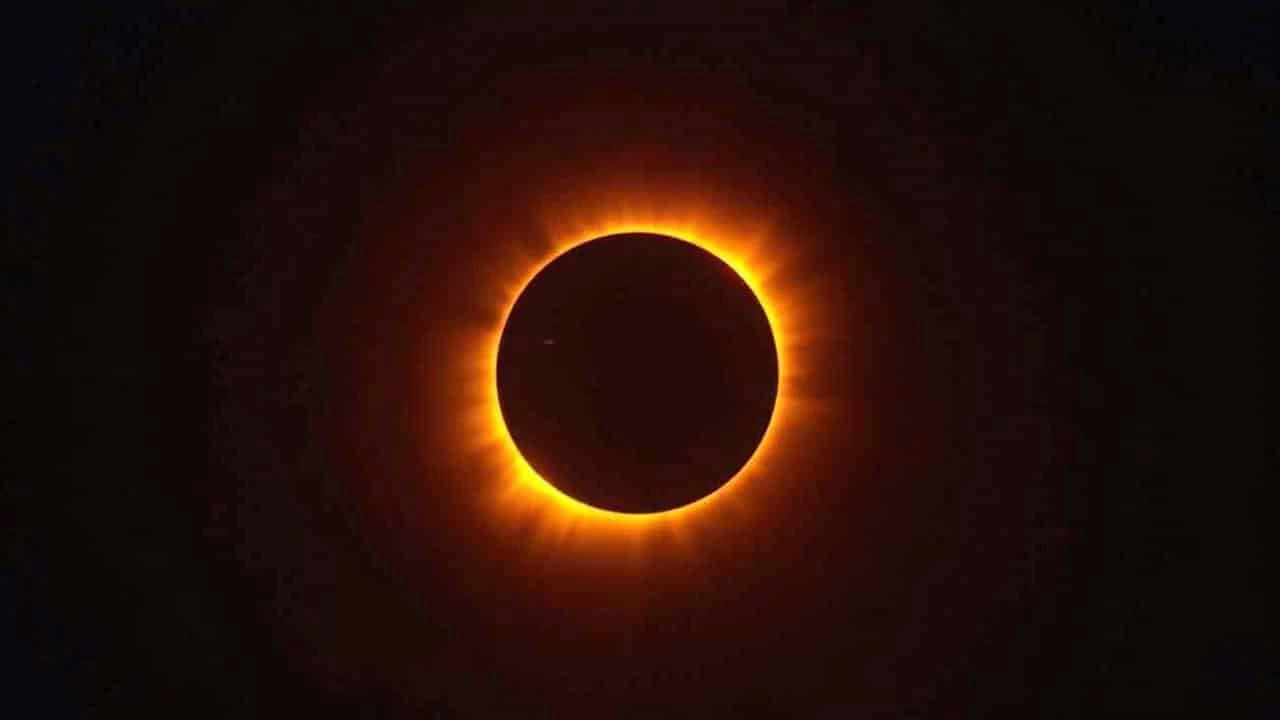
The longest solar eclipse of the century is now officially confirmed, and it promises to be an experience unlike any other. Picture this: a bright, sunny afternoon gradually darkening until it feels like night. On August 5, 2046, millions of people will witness this dramatic event as the skies go dark during the day. This once-in-a-lifetime moment is already generating excitement across the globe. Whether you are an astronomy lover or just curious about natural wonders, the longest solar eclipse is one event you will not want to miss.
This article will cover everything you need to know about the event, including when and where it will happen, why it is scientifically significant, and how to best prepare for it. You will also get tips on where to travel for the most breathtaking view and how to safely enjoy the experience. Let us explore what makes this eclipse not just long, but legendary.
The Longest Solar Eclipse: Why It Is a Record-Breaking Sky Event
The reason this event is labeled the longest solar eclipse of the century lies in how perfectly the conditions align. The Moon will be at its closest point to Earth, appearing slightly larger in the sky. At the same time, Earth will be positioned just far enough from the Sun that the Sun will seem a bit smaller. This perfect alignment allows the Moon to fully cover the Sun for a longer time than usual.
What also makes this eclipse extraordinary is the path it follows. Since it crosses near Earth’s equator, where the planet rotates the fastest, the Moon’s shadow stays over certain regions longer. Some places will see total darkness for more than six minutes. That is incredibly rare for any eclipse and makes this one the longest we will see until at least the year 2100. If you want to see a solar eclipse at its most powerful, this is your chance.
Quick Overview of the Eclipse
| Key Information | Details |
| Eclipse Date | August 5, 2046 |
| Type of Eclipse | Total Solar Eclipse |
| Duration of Totality | Over six minutes in some locations |
| Main Regions Affected | North Africa, Middle East, Asia |
| Path of Totality | Crosses near Earth’s equator |
| Moon’s Position | At its closest point to Earth |
| Sun’s Appearance | Slightly smaller from Earth |
| Viewing Safety Tools | Certified eclipse glasses or viewers |
| Common Reactions | Silence, birds quiet, temperature drops |
| Travel Advice | Plan early to get the best viewing spots |
When day turns to night: the date the world is waiting for
August 5, 2046, will not just be another day. It is the moment millions are marking on their calendars for an unforgettable cosmic event. The confirmation of this date has stirred up conversations in space communities and among everyday skywatchers alike. Unlike a regular day, this one will bring total darkness in the middle of the afternoon.
For people in the path of totality, it will be like experiencing a fast-forwarded night. Cities may see their streetlights switch on. Groups will gather in open spaces, rooftops, and beaches with eclipse glasses in hand, waiting for the show. The surreal feeling of seeing daylight turn to darkness, even for just a few minutes, is something that stays with people forever.
The science behind the shadows
A total solar eclipse occurs when the Moon moves directly in front of the Sun from Earth’s point of view, casting a shadow that covers parts of the planet. For this specific eclipse, three rare conditions will all happen at once. First, the Moon will be close enough to Earth to look big in the sky. Second, the Sun will appear slightly smaller due to Earth’s position in its orbit. Third, the eclipse will occur over Earth’s equator, where rotation speed is at its highest.
These conditions make it possible for the eclipse to last longer than usual. The total darkness could extend to over six minutes in the best viewing locations. This rare mix of positioning and timing is what gives this event its title as the longest solar eclipse of the century.
Picture this: what eclipse day will look and feel like
Imagine walking through your town on a bright day. The air is warm, the sky is clear, and suddenly the light begins to fade. But this is no sunset. The dimming is slow, eerie, and unusual. Shadows sharpen, the temperature drops slightly, and everything goes quiet. People look up as the Moon starts to cover the Sun.
Then, in a matter of seconds, darkness falls completely. Not twilight, but a deep and stunning black. Stars may become visible. You may hear gasps or even silence from those around you. This is what totality feels like. And during the longest solar eclipse, this dramatic moment will last longer than most people have ever seen before.
Prime seats for the show: regions in the path
To see the full eclipse, you need to be in the path of totality. This is the narrow band across the globe where the Moon will completely block the Sun. The best viewing locations include:
- North Africa
- The Middle East
- Asia
These regions will enjoy the longest periods of total darkness, some lasting more than six minutes. If you are even slightly outside the path, you will only see a partial eclipse, which is still exciting but not the same. That is why eclipse chasers and travelers are already making plans to be in the right place at the right time. Booking your trip early is highly recommended if you want a front-row seat to history.
How to actually experience it: from gear to mindset
Watching a solar eclipse is something most people never forget. To enjoy it fully and safely, preparation is key. First and most important: never look directly at the Sun without proper eye protection. Certified eclipse glasses or solar viewers are a must. Regular sunglasses are not enough and can be dangerous.
You do not need high-end equipment to experience this. In fact, some of the best memories come from simply standing outside and watching with your own eyes. You can use a phone to take pictures, but sometimes it is better to just pause and soak in the moment. The longest solar eclipse is not just about what you see, but how it makes you feel.
What this eclipse really says about us
Events like this remind us how connected we are. On August 5, millions of people will step outside at the same time and look up. For a few minutes, they will share a collective experience. It will be talked about in classrooms, remembered in family stories, and captured in photos across the world.
Children will ask questions. Friends will cheer. Some might even travel thousands of miles just to be under the Moon’s shadow. The longest solar eclipse is more than just a sky event. It is a human moment that brings science, wonder, and people together in a way few things can.
FAQs
Where can I see the longest solar eclipse in 2046?
You will need to be in the path of totality. Regions in North Africa, the Middle East, and Asia will offer the best views.
How long will totality last during the eclipse?
In some areas, total darkness will last for more than six minutes, making it the longest total solar eclipse of this century.
Can I use sunglasses to view the eclipse?
No, sunglasses do not protect your eyes from solar rays. Always use certified eclipse glasses or solar viewers.
Is the eclipse visible everywhere in the world?
No, only those in the eclipse path will see full totality. Other regions may see a partial eclipse or nothing at all.
What happens during a total eclipse?
The Moon fully covers the Sun, causing the sky to darken. Animals behave strangely, temperatures may drop, and people often describe it as an emotional experience.