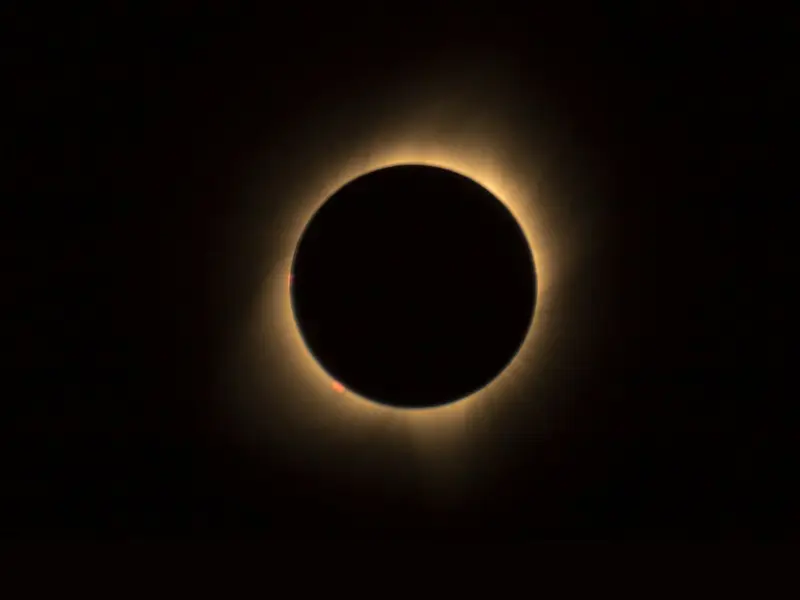
The longest solar eclipse of the century has officially been confirmed, and it is nothing short of a cosmic milestone. If you have ever experienced a total solar eclipse, you know it is more than just a shadow across the sky. It is a moment that stirs something deep within us. Now, scientists have circled a date on the calendar that will bring an even more extraordinary display—one that will last longer than any other in the 21st century. This rare celestial alignment is already capturing the imagination of astronomers and sky-watchers worldwide.
What makes this longest solar eclipse so remarkable is not just its duration but the unique blend of science, emotion, and generational legacy tied to it. In this blog, we will explore what makes the 2150 eclipse so special, how it has been predicted, what it means for future science, and how even those who will never witness it can still be part of the story.
The Longest Solar Eclipse of the Century
On 25 June 2150, the world will witness an event that stretches the limits of nature’s timing. The longest solar eclipse of the 21st century will turn midday into night for about 6 minutes and 38 seconds. That may not sound like much, but for eclipse chasers and solar scientists, it is a gift. The path of totality will pass mainly over the Pacific Ocean, touching isolated islands and offering a view that only a few may see in person.
But this eclipse is not only for the future stargazers. Its value today lies in how it connects us across time. Astronomers are already preparing decades in advance, building a bridge between today’s knowledge and tomorrow’s tools. This moment will allow scientists to study the Sun’s corona like never before, observe solar winds with extended clarity, and refine our understanding of the Moon’s orbit. While most of us will not be around to see it, our preparations, stories, and even small personal mementos may very well travel forward and help someone else stand in our place.
Overview of the Longest Solar Eclipse
| Key Detail | Information |
| Date Confirmed | 25 June 2150 |
| Duration of Totality | Approximately 6 minutes and 38 seconds |
| Visibility Path | Mostly across the Pacific Ocean |
| Regions Impacted | Isolated island nations, oceanic skies |
| Scientific Importance | Study of solar corona, solar wind, and Moon-Earth interactions |
| Planning Start | Ongoing from current scientific institutions and astronomers |
| Cultural Impact | Encouraging generational storytelling and long-term memory |
| Preparation Tools | Solar data archives, future logbooks, legacy messages |
| Observation Methods | Ground-based, ship-based, and potential satellite missions |
| Emotional Connection | Encourages people to pause and reflect on their place in time |
The Day the Sun Will Vanish
Imagine standing outside on a bright afternoon, only to watch the sky darken slowly until it feels like night. The birds stop singing, the temperature drops, and people around you fall silent. That is exactly what will happen on the day of the longest solar eclipse in 2150. For nearly seven minutes, people lucky enough to be in the right place will witness a total solar eclipse unlike anything seen this century.
For scientists, this moment opens rare opportunities. The extra time under totality allows for extended observations of the solar corona, which is usually hidden behind the Sun’s intense light. High-resolution data can be collected to study solar winds and magnetic fields. This eclipse is not just a visual spectacle; it is a research moment that comes only once in a generation, if that.
Planned but Not Random
Although eclipses might feel like spontaneous wonders, they are actually written into the future by the precise laws of celestial mechanics. The 2150 eclipse is a result of a rare alignment involving the Moon’s distance from Earth, Earth’s position in its orbit, and the specific curvature of the planet beneath the shadow path. This particular combination stretches the shadow’s reach, creating the longest duration possible for totality.
Astronomers have spent years using satellite data, eclipse simulations, and improved lunar motion models to pinpoint this moment. The final confirmation of the date solidifies not just the event, but the reliability of astronomical forecasting itself. These calculations are not guesses. They are based on physics so precise that space agencies are already incorporating this eclipse into their long-term planning.
Preparing for an Eclipse You May Never See
It is a little strange to prepare for something you will never experience. But that is exactly what many eclipse enthusiasts, scientists, and even families are doing. Parents are noting the eclipse date in journals for their grandchildren. Some are saving eclipse glasses or leaving behind handwritten letters, pointing future generations toward the sky.
In the scientific world, preparation means something different. Data from recent eclipses are being carefully archived, with hopes that researchers in 2150 will compare them to what they see. This will allow for a deeper understanding of how the Sun changes over time. This kind of preparation speaks to a quiet optimism—that we will still be here, still curious, still looking up.
Watching a Total Eclipse Without Missing the Point
Anyone who has seen a total solar eclipse knows that the experience is more than just visual. It is deeply emotional. During those brief minutes of darkness, people often cry, gasp, or fall completely silent. There is no wrong way to respond. But there are ways to make sure you are truly present for the moment.
Many eclipse veterans follow a simple method: photograph the partial phases, but live through totality. That means putting your phone away, standing still, and just watching the Sun vanish. Some even suggest choosing one person to talk to during those moments and describing what you see out loud. This kind of real-time connection helps keep the experience rooted in memory rather than lost in your camera roll.
Practical Ways to Pass Down the Moment
Even if you will not be alive in 2150, your curiosity can still reach that far. Leave notes in a family diary. Save a pair of eclipse glasses with a message written on the side. Tell stories about the 2026 or 2044 eclipses you did witness. Small actions like these help build a legacy of sky-watching that will outlive you.
These stories, shared across time, are part of what makes the longest solar eclipse not just an astronomical event, but a deeply human one. Just as someone stood under a disappearing Sun a hundred years ago and felt the same wonder, someone will do the same in 2150 because you helped point the way.
List: Why This Eclipse Is So Important
- Longest Duration: At over six minutes, it allows more time for scientific observation than typical eclipses.
- Rare Alignment: Requires the perfect conditions of Moon proximity, Earth orbit, and shadow path curvature.
- Scientific Significance: Provides valuable insight into the solar corona and other solar phenomena.
- Emotional Impact: Creates a shared experience that leaves lasting memories.
- Legacy Opportunity: A chance to contribute to future generations through stories, notes, and planning.
Frequently Asked Questions
Where will the 2150 eclipse be visible?
The path of totality will mostly cross the Pacific Ocean, making it visible from select island nations and ocean regions.
Why is the 2150 eclipse longer than usual?
The unusual duration is due to the Moon being closer to Earth and the eclipse path stretching across a part of Earth’s surface that supports a longer shadow.
Can people today do anything to prepare?
Yes. Scientists are archiving data, and individuals are leaving behind messages, notes, or keepsakes for future generations.
Is it dangerous to look at an eclipse?
Yes, except during totality. Always use certified eclipse glasses and follow safety guidelines when viewing any eclipse.
Will there be expeditions to view the eclipse?
It is likely. In 2150, both ship-based and possibly space-based missions may be planned to witness and study the eclipse in detail.