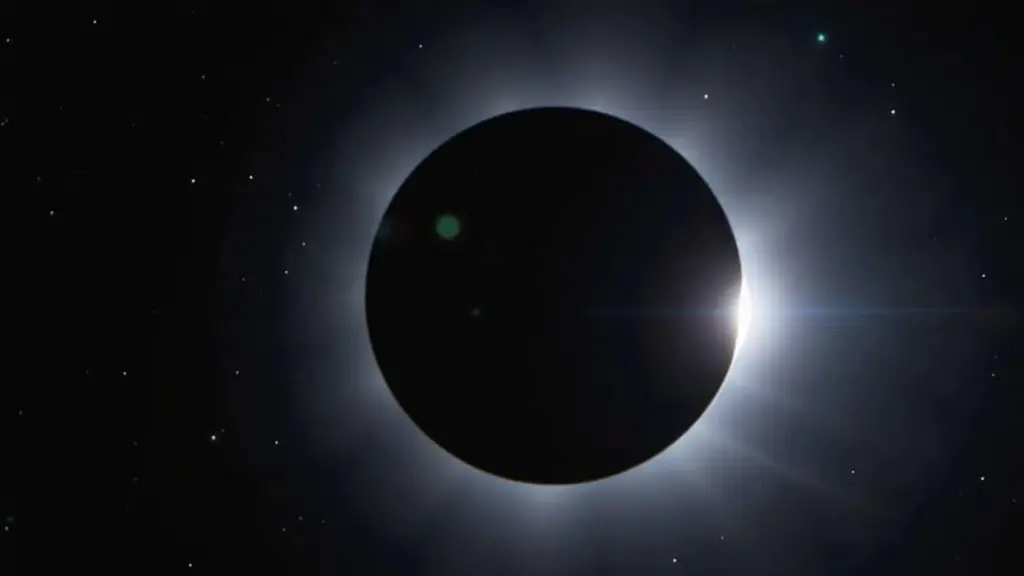
The Longest Solar Eclipse of the 21st century has now been officially confirmed, and skywatchers across the globe are already marking their calendars. On July 22, 2028, the world will witness a rare and powerful event where day will literally turn into night, and for more than six minutes in some places. It is not just an exciting moment for astronomy lovers, but an extraordinary natural phenomenon that millions will experience firsthand. If you have ever wanted to witness something cosmic and unforgettable, this is your chance.
What makes this Longest Solar Eclipse so special is both its duration and visibility. Unlike typical eclipses that may pass quickly or be visible only to select regions, this one will stretch over vast areas including Australia, New Zealand, and parts of the Pacific Ocean. This blog will cover everything you need to know about this eclipse, from the best places to watch, how to prepare safely, and why it is being called the most significant eclipse of our century.
The Longest Solar Eclipse: What to Expect
The Longest Solar Eclipse on July 22, 2028, will offer a full totality lasting up to 6 minutes and 23 seconds. That is nearly double the duration of most total solar eclipses. The event will unfold as the moon aligns directly between the Earth and the sun, casting a long shadow over the Earth’s surface. What is remarkable is how perfectly this alignment works to block the sunlight completely, offering a rare chance to see the sun’s outer corona with the naked eye—of course, with safe viewing gear.
Major regions such as Sydney will experience over three minutes of darkness in the early afternoon. Across the Pacific Ocean, certain areas will get the maximum totality time. Scientists are calling this a prime opportunity for studying the sun’s corona and effects on the Earth’s atmosphere. For travelers and eclipse chasers, this will be a visual and emotional journey unlike any other, especially because of how widely visible and accessible the eclipse will be.
Overview Table: Key Details of the Longest Solar Eclipse
| Detail | Information |
| Event Name | Longest Solar Eclipse of the 21st Century |
| Date | 22 July 2028 |
| Duration of Totality | Up to 6 minutes and 23 seconds |
| Peak Time | Around 02:09 AM UTC |
| Main Visibility Regions | Australia, New Zealand, Pacific Ocean |
| Totality Duration in Sydney | Over 3 minutes in early afternoon |
| Shadow Speed | More than 2,000 kilometers per hour |
| Viewing Equipment Requirement | ISO 12312-2 certified eclipse glasses or filters |
| Ideal Viewing Spots | High plateaus, coastal headlands, rooftops |
| Scientific Importance | Study of corona, climate impact, and atmosphere |
The day the sky presses pause
Imagine taking a stroll on a bright sunny day, then watching the sunlight slowly fade as the sky darkens and the temperature dips. That is what millions will feel on July 22, 2028, when the Longest Solar Eclipse crosses several regions. The experience is not just visual. It is emotional, atmospheric, and oddly quiet. For a few short minutes, life seems to pause.
Across Australia, preparations are already underway. Small towns along the eclipse path are making plans to handle visitors, with local communities organizing viewing events, setting up public campgrounds, and even designating open areas for eclipse watching. The last big eclipse event in the United States in 2017 taught everyone how massive the turnout can be. This one is expected to be even bigger, attracting travelers, astronomers, students, and curious sky lovers alike.
How to actually experience it, not just glance at it
To truly experience the Longest Solar Eclipse, you must be in the direct path of totality. A small shift of even 50 kilometers outside the path can reduce the experience to a partial eclipse. In the total zone, you will see darkness settle over the land, stars may appear, and the sun’s blazing corona will become clearly visible.
This is not the kind of event you want to watch from your office window. If you plan on traveling, look for open areas with wide, clear skies. Think coastal cliffs, remote inland plateaus, or rooftops free of buildings and trees. Whether you are camping or joining a public event, the right location makes all the difference. Make sure to check local timings and visibility charts ahead of time so you do not miss a single second.
Behind the romance of it, there is precise cosmic choreography
A total solar eclipse happens only when the moon is the perfect distance from Earth to completely block the sun’s light. The Longest Solar Eclipse in 2028 will occur because of this exact balance. In this event, the moon will appear slightly larger in the sky due to its position in orbit, allowing for a longer-than-usual period of totality.
Scientists have used years of data to predict this eclipse’s path down to the minute. The way the Earth curves and moves also affects how long each area stays in shadow. All of these tiny measurements come together to create what feels like a magic trick in the sky. But make no mistake, it is cosmic science in action.
How to actually stay safe and in the moment
You cannot safely look at a solar eclipse with regular sunglasses. The sun’s rays are still powerful enough to damage your eyes even when partially covered. Only use ISO 12312-2 certified eclipse glasses or proper solar filters to view the Longest Solar Eclipse. You can find these online or at many astronomy stores.
Besides safety, it is also important to be present. Many people get caught up filming or taking photos of the eclipse, and forget to actually enjoy the moment. Let yourself watch the sky. Feel the silence. Hear the change in the air. Those few minutes will be more powerful than any video you could take.
A shared shadow that belongs to everyone
One of the most beautiful aspects of the Longest Solar Eclipse is how it brings people together. No matter where you come from, if you are standing under the path of totality, you are sharing the same shadow with millions of others. That feeling of unity is rare.
Whether you are on a quiet beach, in a busy park, or alone on a hillside, you will be part of a worldwide moment. The eclipse does not care about politics, status, or background. It just moves silently across the sky, inviting everyone to look up and wonder.
Important Tips to Prepare for Eclipse Day
- Pick your viewing location early and confirm it lies within the totality path
- Order ISO-certified eclipse glasses well in advance
- Learn the exact timing of totality for your region
- Bring water, snacks, and a blanket or chair for comfort
- Always have a backup spot in case of cloudy weather
FAQs
How long will the total eclipse last on July 22, 2028?
In certain regions, the eclipse will last up to 6 minutes and 23 seconds, making it the longest of the 21st century.
Where can I see the full eclipse?
The total eclipse will be visible in Australia, parts of New Zealand, and the Pacific Ocean. Sydney will get over three minutes of totality.
Is it safe to look at the eclipse with regular sunglasses?
No, regular sunglasses are not safe. You must use eclipse glasses that meet the ISO 12312-2 safety standard.
Can I take photos of the eclipse with my phone?
Yes, but make sure to use a proper solar filter on your phone’s lens to avoid damage. Do not forget to enjoy the moment without distractions.
What should I do if the weather is bad on eclipse day?
Have a second viewing location planned. Choose areas with historically clear skies to increase your chances of seeing it.