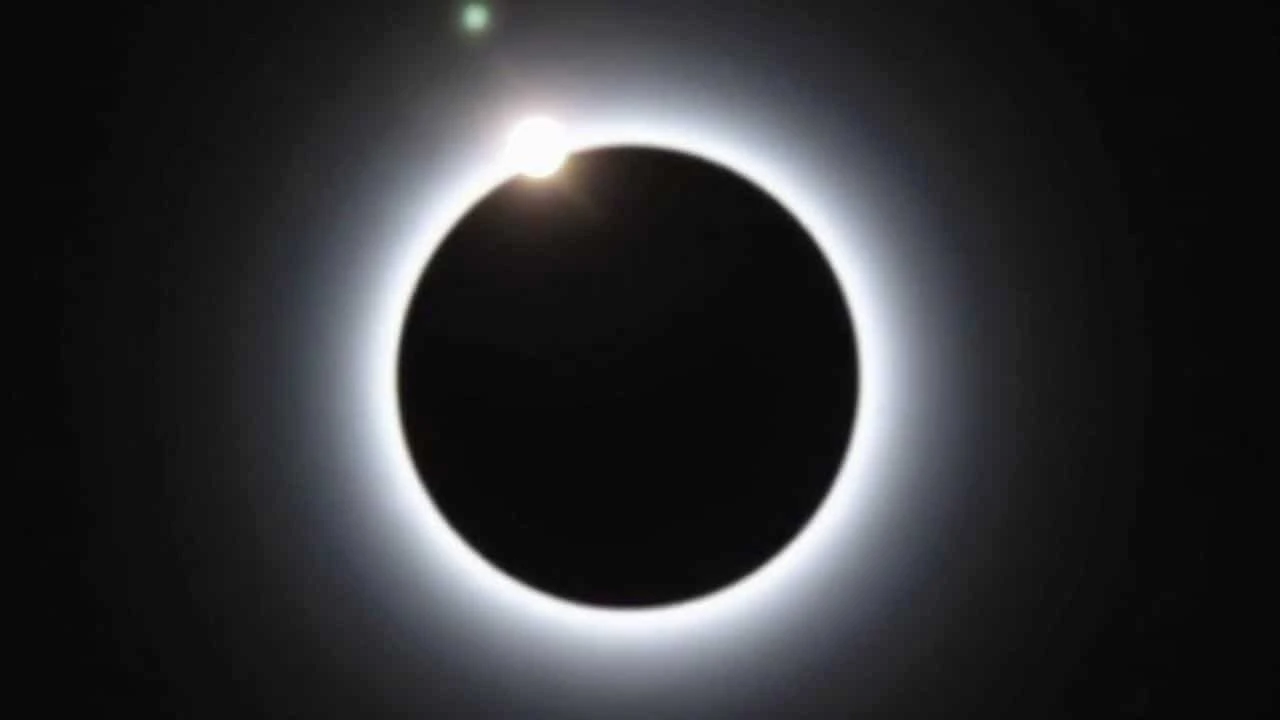
The Longest Solar Eclipse of the 21st century is officially on the calendar, and it is shaping up to be the kind of event that people will talk about for decades. Set to occur on January 25, 2042, this rare eclipse will darken the skies in ways we have not seen in our lifetime. For more than seven minutes, daylight will vanish in parts of the world as the Moon completely covers the Sun. The anticipation is real, and for good reason.
This Longest Solar Eclipse is not just another astronomical event. It is a moment where science, nature, and human experience intersect in a breathtaking way. Whether you are a seasoned eclipse chaser or simply curious about sky phenomena, this is one event you will not want to miss. In this article, we break down what makes this eclipse so extraordinary, where to see it, how to prepare, and why it matters.
The Longest Solar Eclipse: A Sky Event Worth the Wait
There is a reason this eclipse is already making headlines around the globe. The Longest Solar Eclipse of the century will last more than seven minutes, which is significantly longer than most total eclipses that usually last just two to four minutes. That extended darkness opens up a unique window not only for scientific research but also for an unforgettable experience for viewers.
The path of totality will stretch across the Indian Ocean, parts of Southeast Asia, and into the western Pacific. These regions are expected to offer the most dramatic views, especially in locations where weather conditions are favorable. The Moon will be at its closest point to Earth, while Earth will be at its farthest point from the Sun, creating a perfect alignment that leads to this rare, prolonged eclipse. This combination is what makes this celestial event so unique.
Overview Table
| Key Information | Details |
| Date of Eclipse | 25 January 2042 |
| Type of Eclipse | Total Solar Eclipse |
| Total Duration | Over 7 minutes |
| Viewing Regions | Indian Ocean, Southeast Asia, Western Pacific |
| Eclipse Timing | Midday hours, depending on location |
| Moon’s Position | Closest point to Earth (perigee) |
| Sun’s Position | Farthest point from Earth (aphelion) |
| Sky Appearance | Twilight effect, corona visible, noticeable cool down |
| Travel Recommendation | Book early, avoid cloud-heavy areas |
| Scientific Significance | Best time to study the solar corona and solar magnetic fields |
The day the Sun goes missing
Imagine standing in the middle of a bright day and watching it suddenly fade into dusk. That is exactly what will happen when the eclipse begins in certain areas. The Moon will glide in front of the Sun with such precision that sunlight will be completely blocked for over seven minutes. During that time, it will not just look darker—it will feel like a different world.
Streetlights may flicker on. Birds might go quiet. Some animals may act as if night is falling. This kind of shift is rare and powerful, affecting not only the light but also the atmosphere. Many regions under the path of totality, like parts of Indonesia and the western Pacific, are already preparing for a surge in tourism. Locals compare it to hosting a major global event, and they are not wrong. Millions of people are expected to travel for a glimpse of this natural wonder.
Behind the romance of a vanishing Sun lies some very precise celestial geometry
Total solar eclipses depend on perfect alignment. In this case, the Moon will be at its closest point to Earth, making it appear slightly larger in the sky. At the same time, the Sun will look smaller from Earth because our planet will be at a point in its orbit farthest from the Sun. This rare geometry is what makes this eclipse the longest of the century.
Because of this alignment, the Moon will cover the Sun completely for a longer time than usual. This will also widen the eclipse path, meaning more areas will experience the full totality without having to travel far. It is a rare event where the math and motion of space come together to create something truly magical.
How to actually experience it, not just watch it
Watching an eclipse is one thing, but experiencing it fully takes a bit of planning. First, choose your location wisely. You want to be in the path of totality and ideally in a region known for clear skies in January. Historical weather data can help you figure out where skies are usually clear that time of year.
You will also need the right gear. Certified eclipse glasses are essential. Without them, it is dangerous to look at the Sun except during full totality. For those wanting to photograph the moment, a camera with a solar filter and a tripod is ideal. But beyond the gear, do not forget to take in the moment with your own eyes. Often, the most unforgettable part of an eclipse is not the photo you take but the feeling of standing in sudden darkness in the middle of the day.
Why this eclipse feels different from all the others
Every eclipse is special, but this one carries a weight that feels a little different. After years of uncertainty in the world, shared events like this have become even more meaningful. People from different countries, backgrounds, and beliefs will all look up at the same sky, watching the same incredible moment unfold.
Major airlines and cruise lines are already preparing eclipse-themed trips, and tourism boards in regions under the path of totality are gearing up for a wave of visitors. But even if you are just watching from your own backyard, the Longest Solar Eclipse will offer something unforgettable—a moment where time seems to pause, and nature takes center stage.
Science behind the spectacle
From a scientific standpoint, this eclipse is not just a beautiful sky show. It offers one of the best chances this century to study the solar corona, the Sun’s outermost atmosphere. The corona is usually hidden by the Sun’s bright light, but during a total eclipse, it becomes clearly visible.
Researchers will use this time to study solar flares, magnetic fields, and even the effects of solar storms on Earth. Since solar activity can impact satellites, navigation systems, and communication networks, this kind of observation is more than academic—it helps protect the technology we rely on every day.
FAQs
Where can I see the eclipse in its total form?
You will need to be in the path of totality, which covers areas in Southeast Asia, parts of the Indian Ocean, and the western Pacific.
Why is this eclipse so long?
The Moon will be closest to Earth and the Earth will be farthest from the Sun, making the Moon appear larger and allowing it to block the Sun for a longer time.
Is it safe to watch the eclipse with my eyes?
Only during full totality. For all other times, you must wear certified eclipse glasses to protect your eyes.
How do animals react during an eclipse?
Many animals behave as if it is nighttime. Birds may stop singing and go quiet, while nocturnal creatures may become briefly active.
Can I take photos of the eclipse with my phone?
Yes, but you will need a solar filter to avoid damaging your camera or your eyes. For best results, use a tripod and test your setup ahead of time.