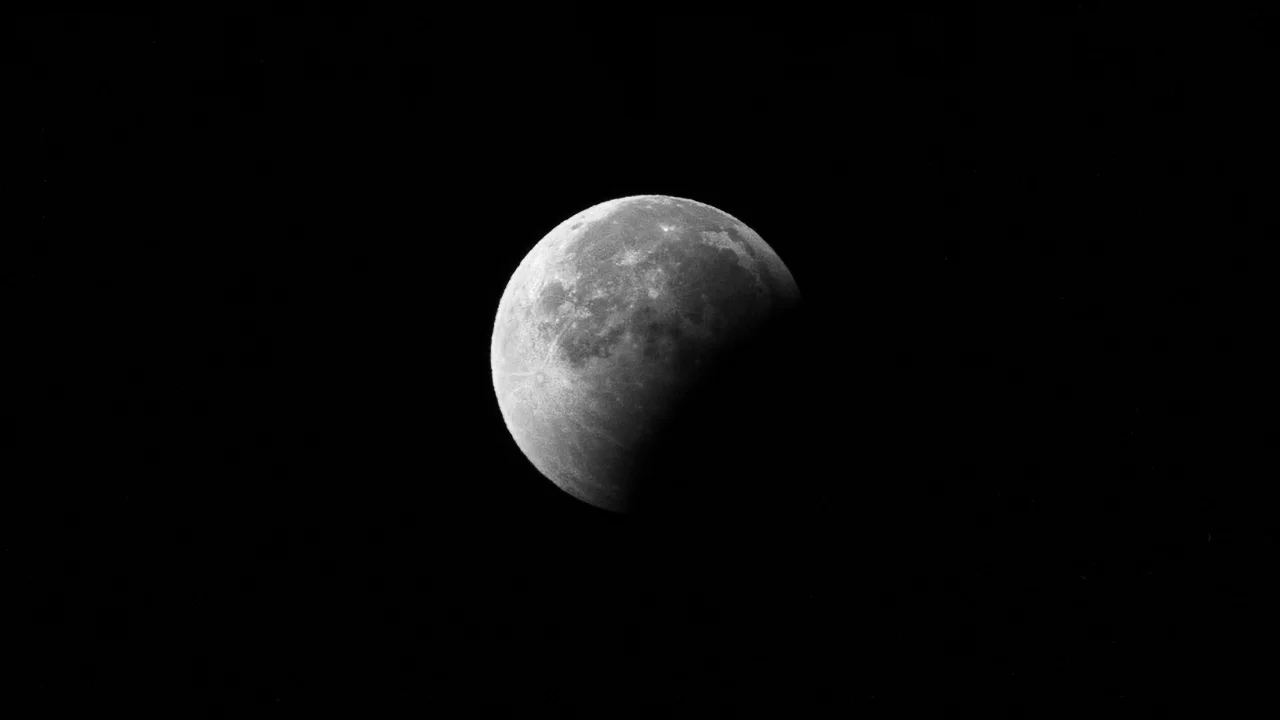
The longest solar eclipse of the century is not just another date on the calendar. It is a breathtaking moment where the sky transforms in front of your eyes. The Sun, which normally lights up your day, will suddenly vanish behind the Moon. Darkness will fall in the middle of the afternoon. If you have never seen a total solar eclipse, this is your chance to witness something unforgettable.
The best part? This longest solar eclipse is not happening over some distant ocean or hard-to-reach mountain top. It will sweep across populated areas, making it one of the most visible eclipses in modern times. That means millions of people will have front-row seats to watch the day turn into night. If you are even a little curious about space, nature, or the strange magic of the universe, this is an event worth planning for.
Why the Longest Solar Eclipse is a Big Deal
When we talk about the longest solar eclipse, we are not just saying it will be dramatic. We mean it will be the longest stretch of total darkness caused by an eclipse in the entire century. Totality, the time when the Sun is completely blocked by the Moon, will last for several full minutes. That is enough time to feel the air cool, hear the birds go silent, and watch the stars appear in the middle of the day.
What makes this one even more exciting is its wide path of visibility. This eclipse will cover over 100 kilometers in width and will pass through several major regions where millions live. It is rare to have an eclipse that is both long and easy to witness. Local communities are already preparing with viewing events, school programs, and themed festivals. Whether you are a seasoned sky-watcher or a first-timer, this is your invitation to look up and feel part of something truly cosmic.
Overview Table: Longest Solar Eclipse Key Facts
| Key Detail | Description |
| Type of Eclipse | Total Solar Eclipse |
| Date of Event | January 16, 2026 |
| Duration of Totality | Several minutes, longest of the century |
| Path Width | Over 100 kilometers wide |
| Visibility | Spanning across multiple continents and populated regions |
| Expected Crowds | Massive public gatherings and surge in tourism |
| Science Opportunities | Observing the solar corona and atmospheric changes |
| Emotional Impact | Inspires awe, unity, and deep reflection |
| Preparation Essentials | Certified eclipse glasses, early arrival, and safe location |
| Community Involvement | Local events, themed food, education programs, watch parties |
A River of Darkness Across the Globe
Imagine standing in broad daylight and suddenly seeing the light fade away. The birds stop chirping, the wind shifts, and people all around you grow quiet. That is exactly what will happen during this eclipse. As the Moon’s shadow races across the Earth, it will pass over cities, towns, and rural areas alike. Communities are preparing like never before. Hotels are fully booked, flights are filling up fast, and people are even renting out backyard spaces to sky-watchers.
In many places, schools will close or shift their schedules so students can safely watch this once-in-a-lifetime event. Local stores are stocking eclipse glasses and gear, and entire towns are planning public viewing events. It is not just a sky event. It is a global celebration of nature’s rhythm and the strange beauty of our universe.
Science in Action
While the public enjoys the show, scientists are getting ready for a rare chance to study the Sun in a way that is only possible during an eclipse. The outer atmosphere of the Sun, called the corona, is usually hidden by the bright sunlight. But during totality, it becomes visible, glowing faintly around the black silhouette of the Moon.
Researchers will be using special cameras, temperature sensors, and radio instruments to study the eclipse in real time. Some will look at how animal behavior changes. Others will track temperature drops and even changes in the way radio waves travel through the atmosphere. And you can join in too. Many organizations are encouraging people to become citizen scientists by recording what they see, feel, and hear.
A Shared Human Experience
There is something incredibly powerful about standing under a sky that suddenly goes dark in the middle of the day. During the longest solar eclipse, people from all walks of life will gather together to watch the same moment. It is a shared experience that connects strangers and generations.
You might see a child pointing to the sky with wonder. A couple holding hands in silence. A scientist explaining what is happening to a group of eager students. These are the moments people carry with them long after the Sun comes back. For many, it is not just about what they saw. It is about what they felt.
Practical Tips for Eclipse Day
To get the most out of the longest solar eclipse, you need a plan. First, make sure you are in the path of totality. Even a small distance outside that path means you will only see a partial eclipse, which does not have the same impact. Next, arrive early. Traffic may be heavy, and you want to be settled before the big moment.
Do not forget your eclipse glasses. Looking directly at the Sun without protection is dangerous except during the short period of totality. Bring water, snacks, and an extra layer of clothing. The temperature can drop quickly when the Sun disappears. Finally, put your phone down for a few moments. Take a photo if you want, but make sure you truly experience the eclipse with your own eyes.
Two Key Must-Do Lists for Eclipse Watchers
What You Should Absolutely Do:
- Use certified eclipse glasses at all times except totality
- Know the exact timing of the eclipse for your location
- Dress for sudden weather changes
- Pack essentials like food, water, and sunscreen
- Let someone know your viewing location in advance
What Most People Actually Remember:
- The sudden shift in light and temperature
- The way the crowd reacted around them
- The stillness and quiet of the moment
- The beauty of the glowing solar corona
- The emotional impact of seeing the sky go dark
What Happens After the Eclipse?
When the Moon moves on and the light returns, people will look around and smile. Some will cry. Others will cheer. Conversations will start about what they saw, what they felt, and what it meant. For some, it will be a spark of curiosity. For others, a reminder of how small and connected we really are.
In towns and cities that hosted viewing events, the eclipse will be remembered for years. Videos will be shared. Stories will be passed down. And for many, it will mark the day when time seemed to pause, and the sky reminded us just how extraordinary our universe really is.
Frequently Asked Questions
Do I need eclipse glasses for the full event?
Yes, eclipse glasses are required for all phases except during totality. Never look at the Sun without proper protection.
Is it worth traveling for a few minutes of darkness?
Absolutely. The full experience of the total eclipse is emotional, powerful, and completely different from a partial one.
Can I photograph the eclipse with my phone?
Yes, but be careful. Use a solar filter or risk damaging your phone’s lens. Most importantly, do not miss the real moment.
Will my pets act strange during the eclipse?
Possibly. Some animals react to the sudden change in light and temperature. It is usually temporary and harmless.
What if the weather is bad on eclipse day?
Even with clouds, you will notice the sky dimming, temperature changes, and the emotional impact. But clear skies are ideal for full viewing.