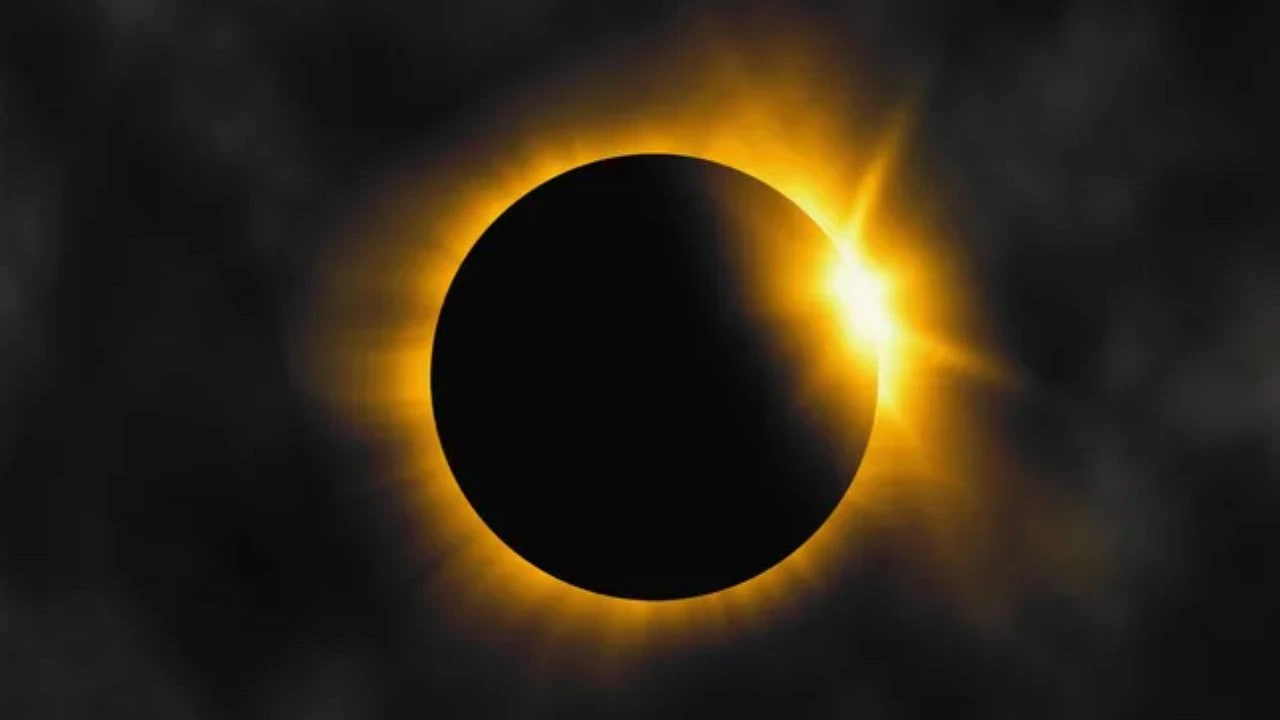
If you have ever wondered what it would feel like to see the middle of the day suddenly turn into night, then the Solar Eclipse 2027 is your chance to find out. This is not just another eclipse. It is shaping up to be one of the most awe-inspiring sky events of our lifetime. For those in the right place at the right time, it will bring a rare moment of total darkness that lasts for over six minutes — an incredibly long time when it comes to solar eclipses.
What makes the Solar Eclipse 2027 even more fascinating is how perfectly everything will line up. On August 2, 2027, the Moon will completely block the Sun in certain parts of the world, creating a stunning view of the solar corona and a night-like experience in broad daylight. This article covers what makes this eclipse so unique, where you can view it best, and how to prepare for this once-in-a-generation experience.
Solar Eclipse 2027: A rare six-minute blackout across the skies
There is a reason the Solar Eclipse 2027 is getting so much attention. Total solar eclipses usually last only a few minutes, but this one will stretch to a maximum of 6 minutes and 23 seconds of totality. That is longer than most eclipses in recent history. The reason behind this extended blackout lies in a rare celestial setup. During this event, the Moon will be slightly closer to Earth while the Sun will be a bit farther than usual, making the Moon appear larger in the sky. Because of that, it can cover the entire Sun for a longer time than normal.
This kind of event does not happen often, and when it does, it attracts skywatchers, scientists, and photographers from all over the world. The length of totality will give more time to experience the solar corona, the stars coming out, and the sudden stillness of nature that often accompanies total eclipses. If you are planning to travel for this event, you will want to be in or near the path of totality to witness the full magic of this eclipse.
Overview of Solar Eclipse 2027
| Detail | Information |
| Date of Eclipse | August 2, 2027 |
| Type of Eclipse | Total Solar Eclipse |
| Maximum Duration | 6 minutes and 23 seconds |
| Peak Viewing Location | Luxor, Egypt |
| Other Totality Locations | Spain, Morocco, Algeria, Libya, Saudi Arabia, Yemen |
| Partial Eclipse Visibility | India, Asia, parts of Europe |
| Best Cities to Watch From | Cadiz, Tangier, Benghazi, Luxor, Jeddah |
| Viewing Safety Tip | Use eclipse glasses or indirect viewing |
| Next Total Solar Eclipse | August 12, 2026 (shorter in duration) |
| Special Note | One of the longest eclipses of the century |
What is a solar eclipse and when does it happen?
A solar eclipse takes place when the Moon passes directly between the Earth and the Sun, blocking sunlight from reaching the Earth. When this alignment is precise and the Moon appears large enough in the sky to fully cover the Sun, we get a total solar eclipse. The Solar Eclipse 2027 will be one of those rare moments when everything aligns just right.
During a total eclipse, the sky turns dark, stars become visible, and there is a noticeable drop in temperature. Animals react as if it is nighttime. These events are rare, and totality — the period when the Sun is completely covered — usually lasts just a couple of minutes. That is why the upcoming eclipse, with over six minutes of totality, is such a big deal.
What makes it special
The Solar Eclipse 2027 is special for more than just its long duration. Its path crosses a number of land areas that are not only densely populated but also rich in history and culture. Cities like Luxor in Egypt will experience the full blackout, offering a front-row seat to one of the most visually stunning natural events possible.
Because so many people will have access to the path of totality, it also becomes a great opportunity for public science events and educational outreach. Scientists are especially excited to study the solar corona under these rare and extended conditions. The skies are expected to be clear in many parts of the eclipse path, making this an ideal viewing opportunity.
What all places will the eclipse be visible
The shadow of the Solar Eclipse 2027 will start over the Atlantic Ocean before moving into Europe and Africa. The first major landfall will be in southern Spain. From there, the path will sweep through Morocco, Algeria, Tunisia, Libya, Egypt, Saudi Arabia, Yemen, and Somalia.
Cities located directly in the path of totality include Cadiz, Tangier, Benghazi, Luxor, and Jeddah. These places will experience full darkness during the day. If you are outside this path, do not worry. A partial eclipse will still be visible from many parts of Europe, Asia, and Africa.
What happens when the eclipse reaches totality
When totality hits, the transformation is breathtaking. Bright daylight fades into a dim, eerie twilight. The Sun disappears behind the Moon, leaving behind a glowing white ring — this is the solar corona. It is one of the few times you can see the corona without using special instruments.
During these few minutes, the temperature drops, birds go quiet, and stars become visible. It is a surreal experience that feels both peaceful and powerful. But remember, this phase lasts only a few minutes, so you want to be ready to soak it all in without distractions.
Will the eclipse be visible in India?
Yes, the Solar Eclipse 2027 will be visible in India, but only as a partial eclipse. Depending on where you are, you could see between 20 to 40 percent of the Sun being covered. Major cities like Mumbai, Delhi, and Kolkata will have varying views of the partial eclipse.
While it may not be as dramatic as full totality, it is still a great opportunity to witness a solar event. Make sure to use proper eye protection, such as eclipse glasses, to safely observe the event. Do not look directly at the Sun without protection, even during a partial eclipse.
Safety tips to view the solar eclipse
Watching a solar eclipse is an unforgettable experience, but it must be done safely. Never look at the Sun with your bare eyes, even during a partial eclipse. Ordinary sunglasses are not safe for viewing. Use certified eclipse glasses that meet safety standards.
You can also use indirect methods, like a pinhole projector, to watch the eclipse safely. If you are using binoculars, a telescope, or a camera, make sure they have solar filters. Children should always be supervised during the eclipse to make sure they follow safety precautions.
FAQs
When will the Solar Eclipse 2027 occur?
It will happen on August 2, 2027, and will be visible across parts of Europe, North Africa, and the Middle East.
What is the longest duration of totality for this eclipse?
The longest duration will be 6 minutes and 23 seconds, with Luxor, Egypt, being one of the best locations for full viewing.
Can I see the eclipse from India?
Yes, it will be visible as a partial eclipse in most of India. However, full totality will not be seen from India.
Is it safe to look at the solar eclipse without protection?
No, it is not safe to look at any part of the solar eclipse without proper eye protection, except during full totality.
Why is the Solar Eclipse 2027 so important?
Because of its unusually long totality and its path over populated areas, it offers both scientific value and a rare public viewing opportunity.